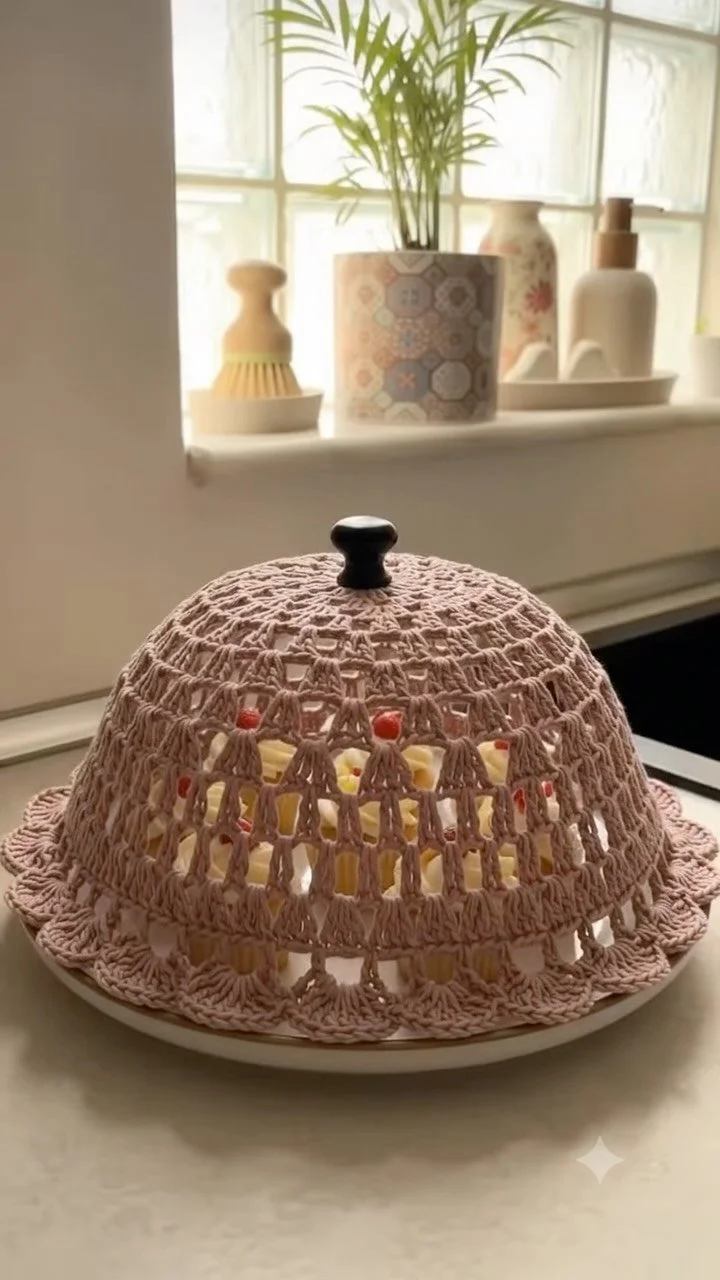
Crochet Kitchen Essentials Become Cozy Handmade Details
Crochet Kitchen Essentials Turned Into Cozy Handmade Details
In this tutorial, you’ll learn how to crochet three essential items for your kitchen: coasters, dishcloths, and trivets. These projects not only serve a practical purpose but also add a touch of warmth and personalization to your kitchen. Each item will be crafted independently, allowing you the flexibility to work on them at your own pace, and you’ll discover how to customize sizes and patterns along the way. Let’s get started on bringing a bit of crochet magic into your home!
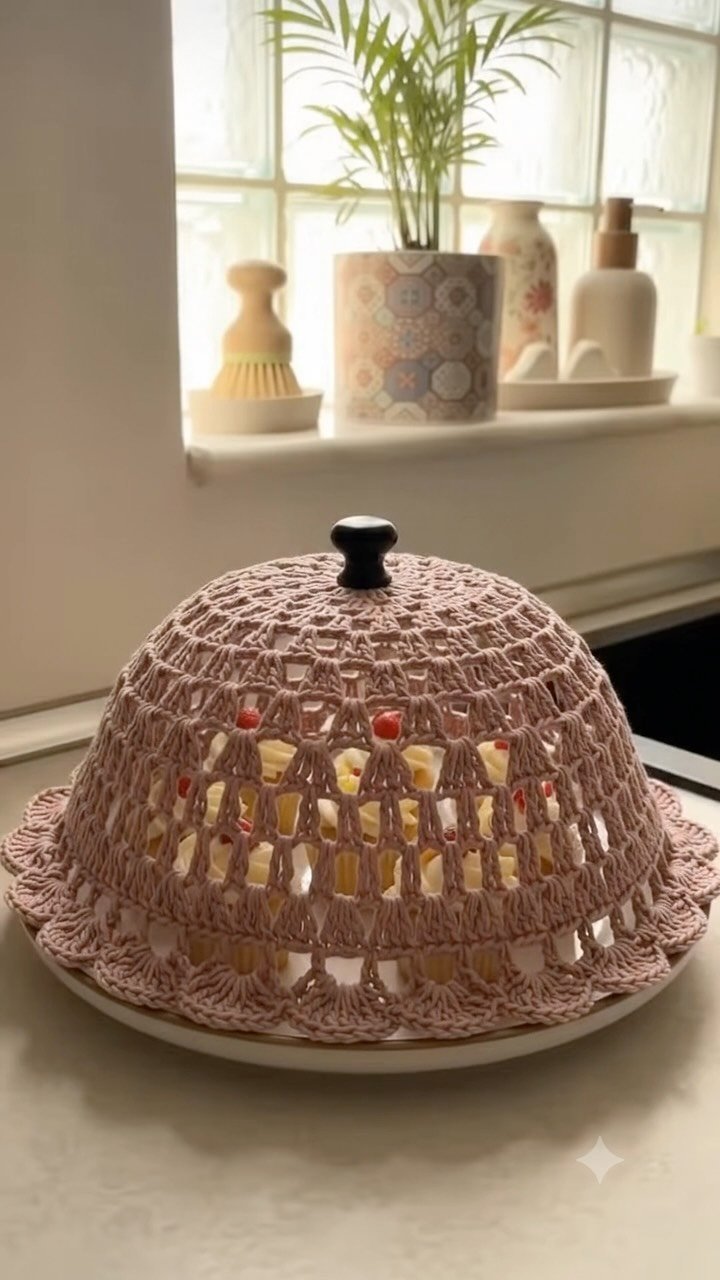
Project Plan
In this project, we will create three key components:
- Crochet Coasters: To protect your surfaces from hot cups and condensation.
- Dishcloths: Ideal for washing dishes and handling everyday kitchen tasks.
- Trivets: Perfect for placing hot pots and pans on your kitchen table or countertop.
These items are designed to work well both individually and in conjunction with one another to enhance your kitchen’s aesthetic and functionality.
Materials and Tool Selection
Required Materials
- Yarn: Cotton yarn is recommended due to its absorbency and durability. Available in numerous colors, you can easily match it to your kitchen decor.
- Crochet Hook: A size G (4.0 mm) hook typically works well for worsted weight cotton yarn. Adjust based on your yarn.
- Scissors: For trimming the yarn.
- Tapestry Needle: For weaving in the ends.
Suggested Choices
- Yarn Weight: Use worsted weight yarn (like 100% cotton) for the best results. If you choose a thinner yarn, adjust your hook size accordingly.
- Hook Size Variations: If your stitches appear too tight, opt for a larger hook. If they’re too loose, switch to a smaller hook.
Making a Gauge Swatch
Before diving into your projects, create a gauge swatch to ensure your gauge matches the recommended stitch count. To make your swatch:
- Chain 20 stitches.
- Work in single crochet for 10 rows.
- Measure your swatch – it should be approximately 4 inches by 4 inches. If it’s not, adjust your hook size and try again.
Terminology and Techniques
Abbreviations Used
- ch: chain
- sc: single crochet
- sl st: slip stitch
- hdc: half double crochet
- dc: double crochet
Basic Techniques
Chain Stitch (ch)
- Insert the hook into the loop on your hook.
- Yarn over and pull through.
- You will have one loop remaining on your hook.
Finished stitch: A thin, flexible chain.
Single Crochet (sc)
- Insert the hook into the designated stitch.
- Yarn over, pull through (you’ll have two loops on the hook).
- Yarn over again, pull through both loops on the hook.
Finished stitch: A dense and firm stitch, ideal for the coasters and dishcloths.
Half Double Crochet (hdc)
- Yarn over, insert the hook into the designated stitch.
- Yarn over again and pull through (three loops on the hook).
- Yarn over once more and pull through all three loops.
Finished stitch: A slightly taller stitch that adds texture.
Joining Rounds
For items worked in rounds, such as coasters and trivets, you join with a slip stitch:
- After completing the round, insert the hook into the first stitch of the round.
- Yarn over and pull through both the stitch and the loop on your hook.
Measurements and Preparation
Measuring Your Gauge
For your swatch, make sure it matches the intended gauge precisely. Aim to measure a known stitch, such as:
- For coasters, strive for 4 inches for 12 single crochet stitches.
Always measure your finished pieces at different stages to ensure they meet size expectations.
Finished Piece Measurements
- Coasters: Aim for an approximate size of 4-5 inches in diameter.
- Dishcloths: Create a square shape of about 8-10 inches.
- Trivets: Aim for a size of about 8-12 inches in diameter or square.
Detailed Working Method
Step 1: Create the Coasters
Foundation:
- Chain 5 and join to form a ring.
Rounding:
- Round 1: Chain 1, work 12 sc into the ring. Join with a sl st to the first sc.
- Round 2: Chain 1, increase by working 2 sc in each sc around (24 sc). Join with sl st.
Finishing:
Continue working in rounds until the coaster reaches your desired size (typically 4-5 inches). Fasten off and weave in any loose ends.
Common Errors:
- Uneven Coasters: Check your stitch count per round for accuracy. Adjust your tension if necessary.
Step 2: Create the Dishcloths
Foundation:
- Chain 30 for a standard-sized dishcloth.
Body:
- Row 1: Sc in the second ch from the hook and across (29 sc total).
- Row 2: Turn. Chain 1, sc in each stitch across (29 sc).
Repeat:
Continue until you achieve a square or rectangular shape of about 8-10 inches. Fasten off and weave in any loose ends.
Visual Checkpoint: The dishcloth should appear square and even; irregularities may require adjusting your tension.
Step 3: Create the Trivets
Foundation:
- Chain 8 and join to form a ring.
Expanding:
- Round 1: Work 12 sc into the ring, join with sl st.
- Round 2: Chain 1, increase by working 2 sc in each sc (24 sc).
- Round 3: Chain 1, 1 sc in the next sc, 2 sc in next sc. Repeat until the end (36 sc).
Condition for Completion:
Continue adding rounds until you reach a diameter of around 10-12 inches or your desired size. Fasten off and weave in any loose ends.
Assembly and Finishing
After completing each item, use the tapestry needle to securely weave in any loose ends.
- For coasters, ensure the alignment is correct when placing them together, especially if you are making a set.
- When aligning trivets, check and adjust to prevent distortion.
If edges curl, gently use a hot iron on a low setting, placing a damp cloth between the iron and the yarn.
Troubleshooting
| Symptom | Likely Cause | Practical Correction |
|——————————|———————————|—————————————————|
| Coasters are uneven | Uneven tension or counting | Count stitches per round; adjust tension. |
| Dishcloth curls at edges | Too tight stitches | Try a larger hook or relax your tension. |
| Trivet doesn’t lay flat | Not enough rounds | Add more rounds to increase size. |
Variations, Care, and FAQ
Variations
- Try mixing colors or use variegated yarn for a unique look.
- Experiment with different stitches, like double crochet, for a more textured dishcloth.
Care
Hand wash or machine wash on cold. Lay flat to dry to maintain their shape.
FAQs
-
Can I use other types of yarn?
Yes, but consider the absorbency and durability of each material. -
What if my gauge doesn’t match?
Adjust your hook size and recheck your swatch. -
Can I gift these items?
Absolutely! Handmade kitchen essentials make lovely gifts. -
How do I customize my patterns?
Adjust your chain and stitch counts as needed while ensuring sides remain even for square or round shapes.
Completion Checklist
- [ ] Have you completed the coasters?
- [ ] Did you create your dishcloths?
- [ ] Is your trivet ready?
- [ ] Ensured all ends are woven in and pieces are washed?
With these crochet techniques, not only will your kitchen be functional, but it will be brimming with the warmth of your handmade items! Enjoy your crochet journey!